


China's spectrometer industry is undergoing rapid development. Based on market size projections, the Chinese spectrometer market is expected to exceed 10 billion yuan by 2024, with accelerated domestic substitution. The industry currently exhibits continuous technological breakthroughs and expanding application domains, while the technical capabilities of domestically produced instruments are increasingly catching up with international brands. Core technologies are advancing toward miniaturization, intelligentization, and deeper integration with other analytical techniques.
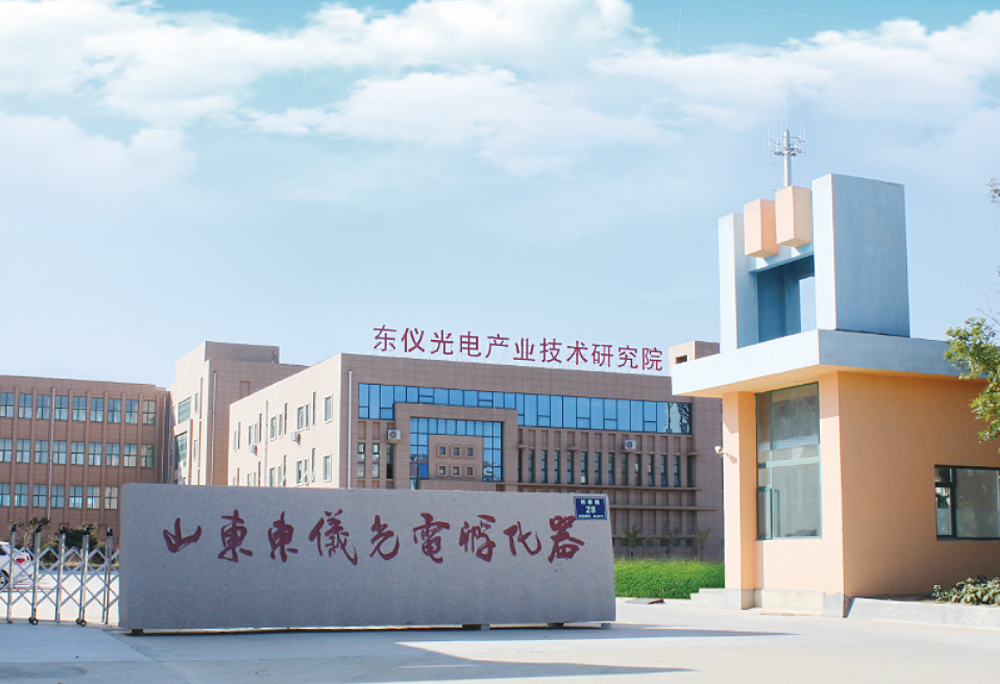
The future development of domestic spectrometers is influenced by four key factors: First, the substantial market scale. Data indicates China's spectrometer market grew from 5.635 billion yuan in 2018 to over 10 billion yuan by 2024, achieving a compound annual growth rate (CAGR) of 12%. Analysis indicates that the rapid rise of emerging industries like new energy and semiconductors has increased demand for spectrometers. Additionally, environmental monitoring and pollutant detection require effective data support from spectrometers, while fields such as geological exploration have extensive needs for high-end spectrometers (e.g., mass spectrometers). II. Broad Application Scope: Spectrometers span diverse types and applications—from direct-reading spectrometers in steel production to fluorescence spectrometers widely used in refractory materials industries. Modern research institutions require laser-induced breakdown spectroscopy (LIBS), inductively coupled plasma emission spectroscopy (ICP-OES), and mass spectrometers. These instruments serve industrial, pharmaceutical, biological, and scientific research scenarios. III. Policy Support The “Implementation Opinions on Future Industry Development” clearly outlines the R&D direction for high-end instruments, emphasizing miniaturization, portability, intelligence, and deeper integration of coupling technologies. Furthermore, the 2025 policy explicitly promotes domestic substitution for high-end instruments. As the international competitive landscape evolves, the demand for China's technological self-innovation has become increasingly urgent. The spring for domestically produced spectrometers is now upon us. IV. Confronting Global Competition: Currently, in the high-end spectrometer sector, our instruments face the challenge of competing head-to-head with international brands like Thermo Fisher, Agilent, and PerkinElmer. This represents both a test for Dongyi Spectrometers and a significant development opportunity.
The above four points briefly analyze the competitive opportunities and challenges facing spectrometers in the past, present, and future. Reflecting on history is to better envision the future. Spectrometers are high-tech, high-value-added products, but the core of product competition lies in technology and, more importantly, in the collective effort—after all, many hands make light work!



 Sales Line: +86 18660008769
 Email: dongfang@dfaic.com
 Add:No.28 Chuangxin Road, High-tech Zone, Yantai, Shandong


